
A Connected Record of Every Student Safety Response
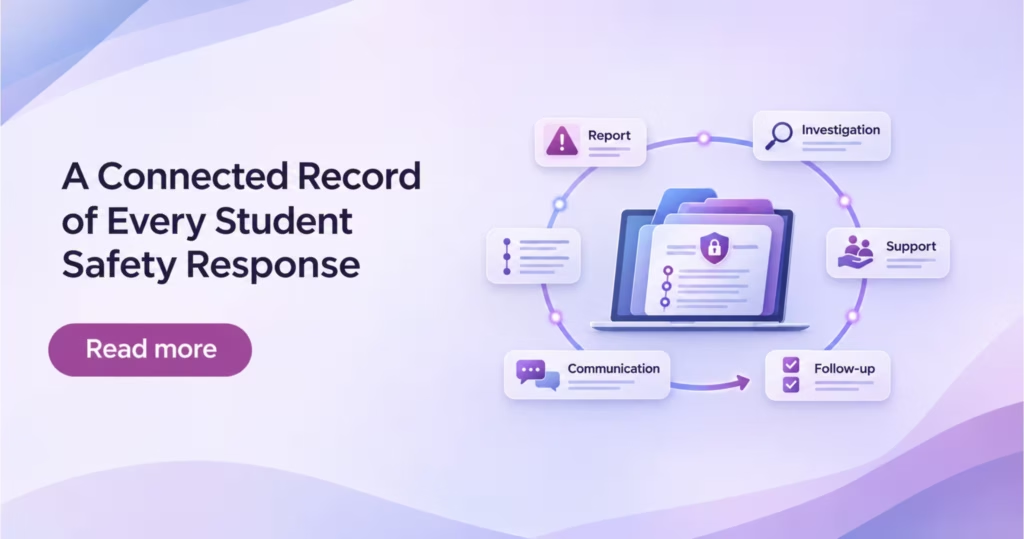
A student may need support as soon as a safety concern is raised. This article looks at how K–12 teams recognize early concerns, communicate with families, and maintain a shared record through HIB reporting, investigation, and follow-up.
How Strategic Dashboards Strengthen Decision-Making for District Leaders
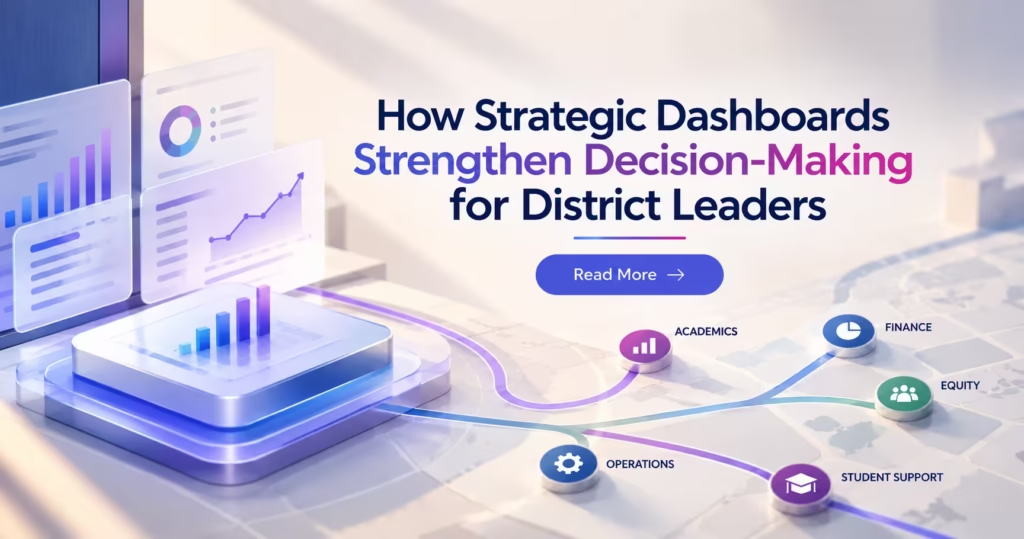
Strategic dashboards help K–12 district leaders make informed decisions across strategic planning, leadership transitions, equity, finance, and program effectiveness. Explore how timely performance insights support superintendents, principals, school boards, and communities in understanding district progress and aligning resources with priorities.
How AI-Powered Dashboards Turn K–12 Data Into Actionable Intelligence
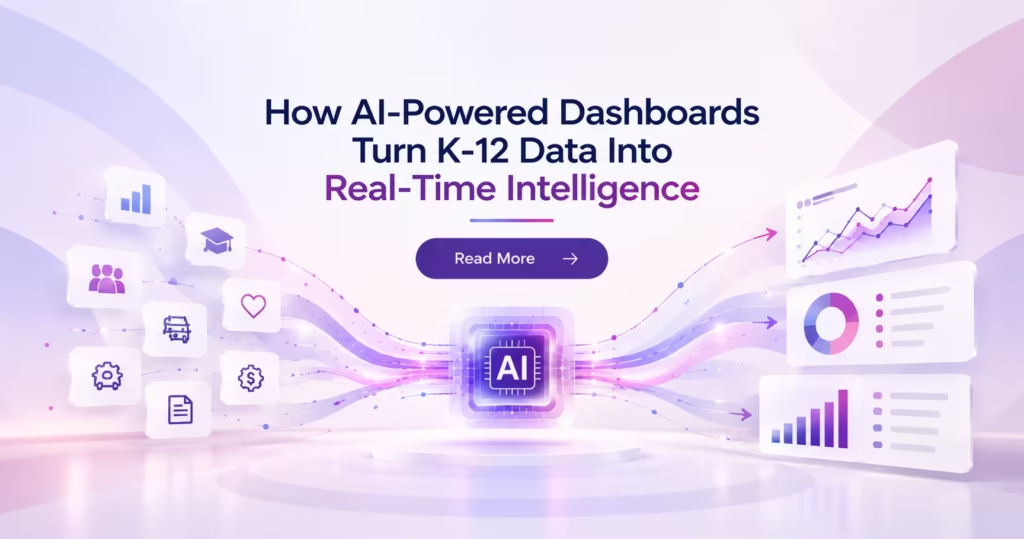
AI-powered dashboards bring together K–12 data, predictive analytics, and timely insights to reveal patterns across district operations and student performance. Explore how real-time intelligence strengthens reporting, planning, and districtwide visibility.
The Role of Language Access in K–12 Family Participation

Language access gives families more room to contribute to decisions about their children. This article shows how districts can improve meeting preparation, invite input at the right time, and use family feedback to improve follow-up.
When Student Needs Shift, Should Budgets Shift Too?
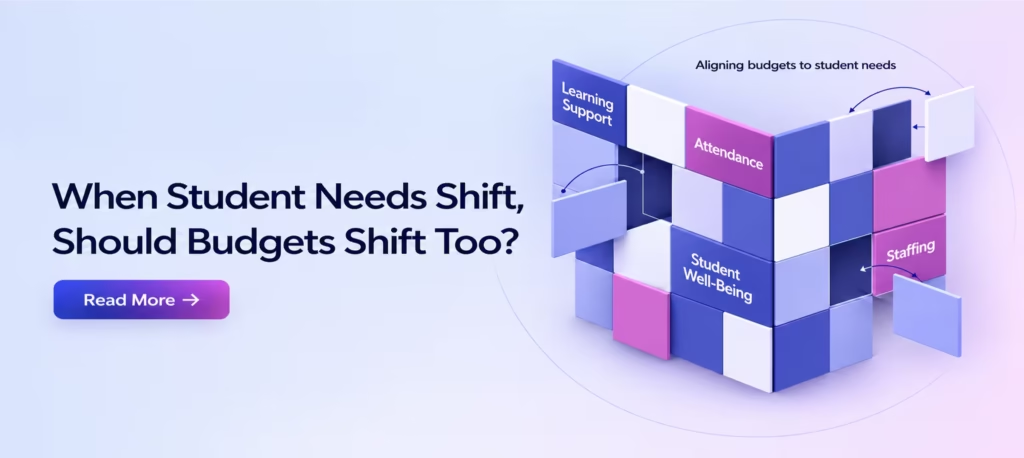
Changing enrollment and service demand can reshape resource needs throughout the school year. This article examines how budget planning, financial reporting, and school budget transparency support informed allocation decisions.
Is the Strategic Plan Changing Daily Decisions
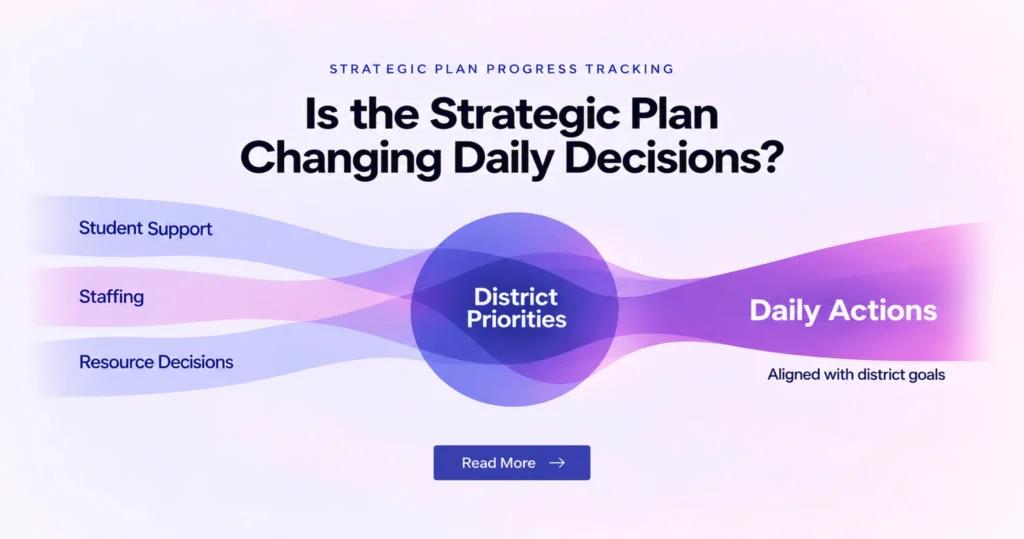
Explore how strategic plan progress tracking connects district priorities with everyday decisions about instruction, student support, and resources. Learn how reviewing school actions, trade-offs, and follow-through can make progress discussions more useful for K–12 district leaders.
How to Choose the Right Data Analytics Solution for Your School District
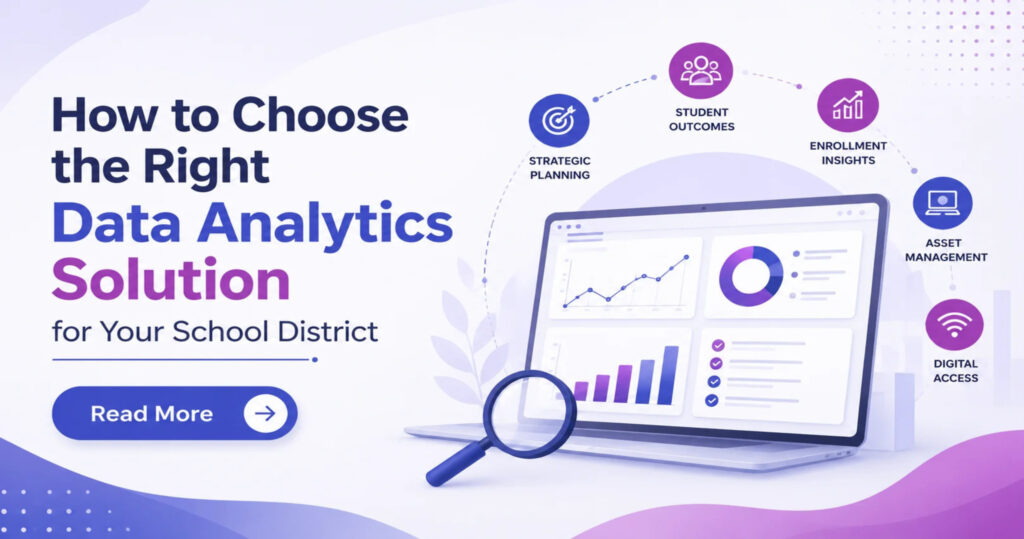
This guide explains how K–12 leaders can evaluate school district data analytics solutions across strategic planning, executive reporting, enrollment, asset management, digital access, student outcomes, system integration, scalability, and data governance.
Why State Education Agencies Need a GPS Dashboard
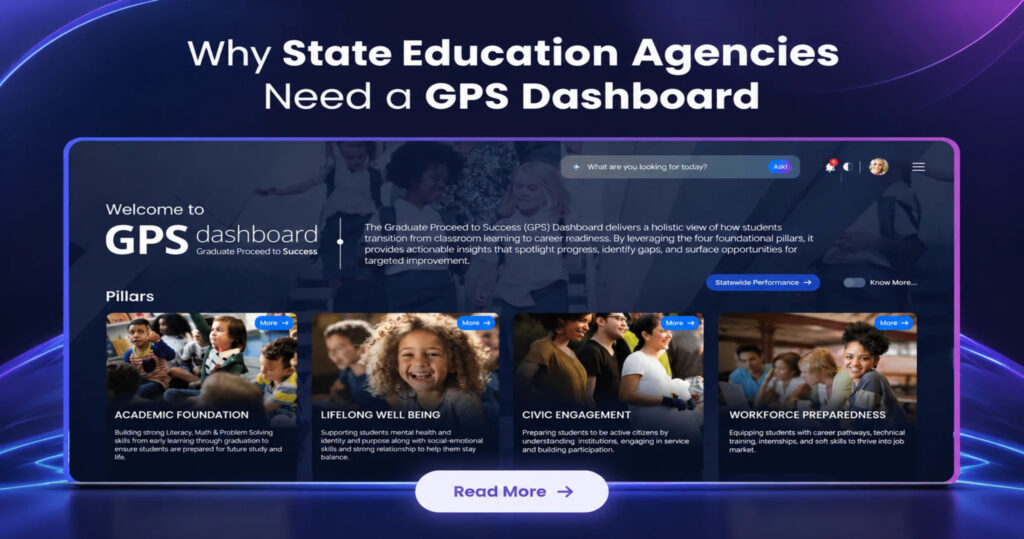
This blog explains why state education agencies need a GPS Dashboard to move beyond test scores and graduation rates. It shows how holistic, real-time insight helps states guide improvement, align resources, and ensure true student readiness.
Can Districts Measure What AI Improves?
Measuring AI impact in education starts with a clear purpose and meaningful evidence. This article explores how K–12 districts can evaluate changes in teacher workload and student learning, design focused pilots, and use findings to guide investment and align AI initiatives with district priorities.
5 Ways Whole Child Analytics Helps You Prepare for Your Next Board Meeting
Learn how whole child analytics can help district leaders prepare clearer, more contextual board updates. The article covers strategic alignment, role-based reporting, longitudinal progress, and transparent communication.